Insight
From AI Strategy to Operational Reality: Key Insights From Cognizant Healthcare Conference
By Gary Mirka, Managing Director, Tegria
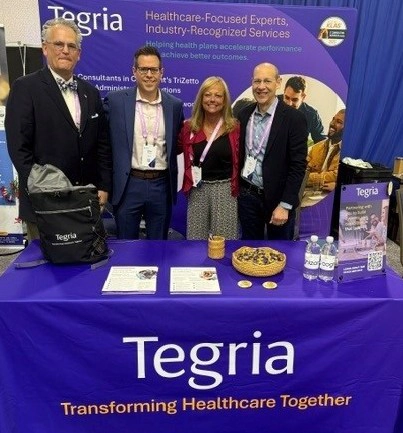
What an incredible few days at the 2026 Cognizant Healthcare Conference at the Gaylord Rockies in Aurora, Colorado! It was fantastic connecting with the Cognizant product management team, clients, and partners from across the healthcare payers and providers. Many conversations centered on shared priorities around scale, speed, and making smarter technology decisions that hold up over time.
A few themes stood out. Across nearly every session, it became clear that AI has moved from future planning into day-to-day execution. The discussion has shifted from whether organizations should adopt AI to how quickly they can operationalize it.
Examples ranged from agentic AI workflows in claims processing to more personalized member and patient experiences. Cognizant’s approach, focused on hyper-productivity, enterprise-scale AI, and the growing role of autonomous agents, reinforced the need for flexible roadmaps that can adapt as technology continues to evolve.
A consistent takeaway was the importance of upskilling teams and rethinking operating models to support adoption. AI investments create value only when people are prepared, confident, and supported in using them.
The QNXT general session highlighted continued platform growth, new client onboardings, and recognition for successful cloud migrations. Practical discussions around data archiving surfaced as well, reflecting the need to balance historical data with performance and cost considerations in modern environments.
Innovation is exciting and energizing. But we know that technology alone will not deliver meaningful outcomes. A consistent takeaway was the importance of upskilling teams and rethinking operating models to support adoption. AI investments create value only when people are prepared, confident, and supported in using them.
This mindset also applies to core platforms such as TriZetto Facets and QNXT. Maximizing standard capabilities and taking a hard look at customizations can help organizations reduce technical debt and position themselves for long-term success, particularly as more legacy environments move to the cloud.
As always, I came away feeling grateful for connections made and conversations I had. I look forward to continuing this work with organizations as they turn these insights into measurable progress. Feel free to reach out anytime.