Insight
Why Data Analytics Is Driving Healthcare’s Shift to the Cloud
This Article Covers
In the rapidly evolving digital landscape, healthcare CIOs are increasingly looking toward the cloud not just as a storage solution, but as a strategic engine for innovation and data analytics. In fact, a recent KLAS report found that more than 80% of healthcare organizationsare already leveraging a public cloud provider, with many now focused on migrating additional data warehouses and data lakes.
While the shift to the cloud has been underway for years, the drivers behind it are becoming more complex and mission-critical.
Drawing from their extensive work with health systems across the country, Tegria's Data + Analytics team shares key insights into the challenges and opportunities shaping modern healthcare cloud strategies. Among the many trends defining the current era, one theme remains constant: the growing role of data analytics as the primary catalyst for healthcare’s cloud migration.
The Cloud’s Role in Addressing Industry Pressures
Q: What are the top challenges healthcare organizations face that make the cloud a viable solution?
A: CIOs feel financial and technological pressures, compounded by the urgent need for innovation. The flexibility and scalability of the cloud are increasingly seen as solutions to these challenges, even as the allure of cost reductions fades. The flexibility, automation, and scalability of the cloud are increasingly seen as solutions to these challenges, even as the allure of cost reductions fades. By migrating to the cloud, health systems can bypass the constraints of outdated on-premises data centers, allowing them to optimize their existing workforce and seamlessly connect fragmented data silos.
Why Data Analytics Takes the Lead
Q: When plotting a cloud migration roadmap, why is data analytics often the first strategy moved to the cloud?
A: Data analytics requires greater scalability for processing large volumes of clinical and operational data, and flexibility to manage highly unpredictable computing demands. Cloud platforms provide tools and resources that are cost-prohibitive on-premises, enabling faster deployment and more scalable advanced analytics.
Furthermore, data analytics is the engine driving modern healthcare strategy. More and more healthcare organizations are required to streamline their operational and clinical operations like anticipating patient demand, forecasting no-shows, and optimizing capacity utilization. Moving analytics to the cloud enables faster deployment of critical predictive models, transforming data from a static record into an active operational asset.
Business Drivers for Cloud Native-Analytics
Q: What specific business and clinical needs are driving this focus on cloud-based data analytics?
A: The push for analytics modernization is tied directly to the core operating model of the health system. Key business drivers include:
- Supporting value-based care: Population health management requires dynamic, cross-source reporting that legacy systems struggle to support.
- Enabling AI-driven insights: Generative and predictive AI tools require deep cloud integration to function effectively. Workflow automation and AI are acting as key entry points to improve things like scheduling, revenue cycle efficiency, and administrative coordination.
- Accelerating operational efficiency and enterprise-wide decision-making. For example, patient access transformation is now critical to organizational growth. Streamlined data analytics through the cloud support the transformation of patient access by providing the real-time insights needed to reduce time-to-next appointment and optimize the digital front door experience.
Overcoming Common Cloud Transition Challenges
Q: What are the key challenges CIOs and CTOs s encounter when considering cloud solutions, and how can they be mitigated?
A: While the destination is clear, the journey presents real challenges. Common issues include:
- Timing and Contracts: Aligning existing strategies and legacy contract terminations with the time required to move to the cloud.
- Governance and Cost Validation.
- Vendor Lock-In: CIOs have deep concerns about becoming locked into a specific vendor’s solution.
- Integration and Latency: Latency concerns, especially for applications like teleradiology in a multi-cloud architecture.
Cloud Is Not Always Cheaper—So Why Move?
Q: If cost savings aren’t guaranteed, how do CIOs and CTOs justify investment in cloud solutions to their CFOs?
A: While the cloud isn't always a "cheaper" alternative to on-premises, it is a foundational catalyst for business agility. For high-impact use cases like predictive analytics and automated disaster recovery, the cloud transforms IT from a cost center into a value driver. The ability to dynamically scale infrastructure eliminates the technical debt of over-provisioning and allows the enterprise to pivot at the speed of the market.
Cloud Transition Strategies for Healthcare
Q: How should healthcare organizations approach their transition to the cloud?
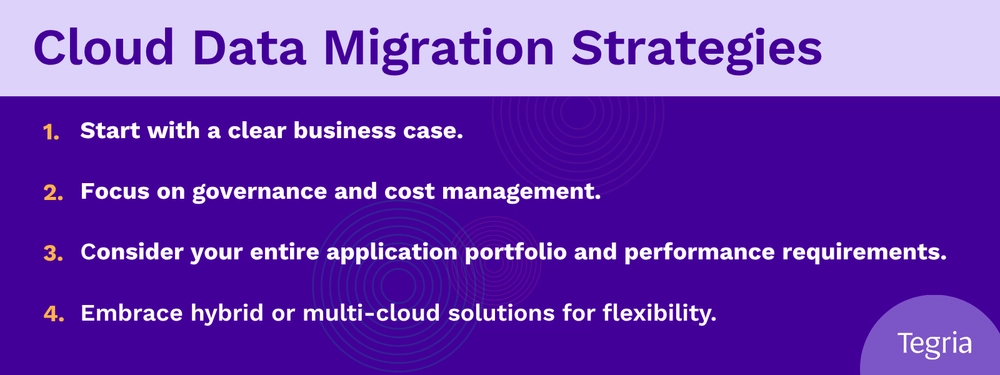
A: Successful transitions move beyond "lift and shift" to focus on architectural modernization:
- Evaluate whether cloud-based data analytics would be beneficial, or if existing tools suffice.
- Consider including application rationalization in the analysis of your entire portfolio.
- Develop a robust cost-management and governance strategy.
- Plan for a multi-cloud future to accommodate diverse application needs.

The Future of EHRs in the Cloud
Q: How does the cloud fit into the future of EHRs?
A: While the transition to the cloud is well underway for many organizations, healthcare leaders continue to navigate challenges regarding cost management, operational resilience, and data sovereignty. Today’s strategy isn't just about moving data; it’s about choosing the right environment—balancing private hosting with the scalability of hyperscale public platforms like AWS, Azure, or Google Cloud.
Industry trends underscore a vital shift: The move to the cloud is increasingly driven by the need for advanced data orchestration and clinical agility rather than just a direct financial "payback." Cloud ecosystems empower organizations to innovate, enhance operational efficiency, and meet strategic goals like improving population health and advancing value-based care. Ultimately, this transition is about unlocking capabilities—such as AI integration and real-time interoperability—that traditional on-premises systems cannot sustain.
As healthcare organizations embark on their cloud journey, prioritizing data analytics as the vanguard of migration is essential. Start by aligning analytics strategies with pressing business needs and invest in solutions that enable scalability, flexibility, and system integration. By making data analytics a focal point, organizations can set the stage for long-term innovation and success in an increasingly complex, data-driven industry.