Insight
From Pilots to Progress: Key Takeaways From the KLAS Arch Collaborative Learning Summit
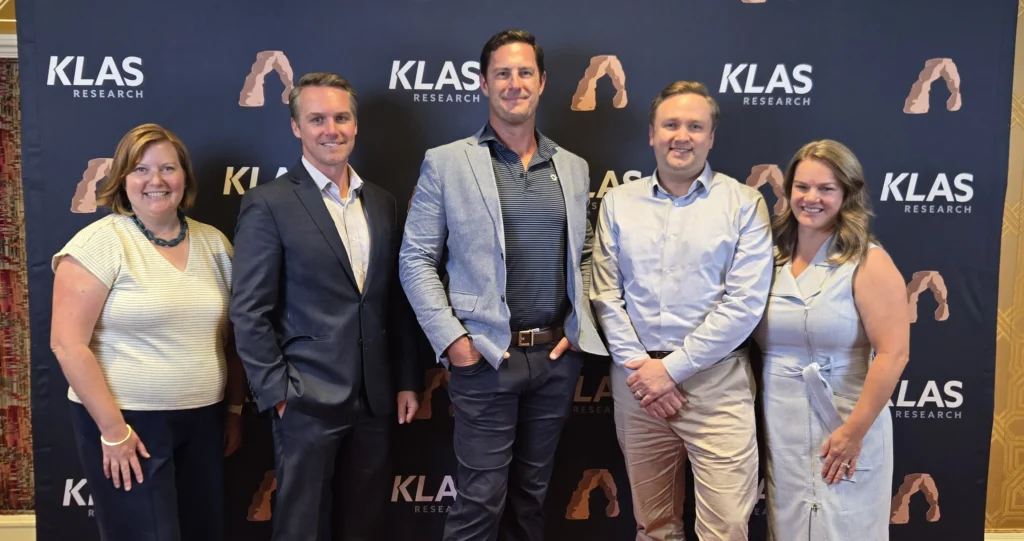
Tegria team members recently attended the 2025 KLAS Arch Collaborative Learning Summit in Salt Lake City, Utah. The event brought together healthcare leaders, clinicians, and digital health experts to explore strategies for improving EHR satisfaction, clinician well-being, and digital transformation.
Our attendees identified several key themes throughout the summit, including the importance of scaling AI efforts, evolving clinician education, and making small changes that lead to meaningful impact.
Governance and Education Help AI Initiatives Shift From Pilot to Practice
Many health systems remain in the pilot phase of AI implementation. Without clear ownership or follow-through, AI tools often fail to reach full adoption, creating frustration for clinicians and adding to burnout.
As several sessions emphasized, organizations that define decision-making structures, align leadership and clinical teams, and communicate openly about how AI works are more likely to achieve adoption. AI literacy programs help clinicians build skills and confidence, and regular feedback loops allow their input to shape how tools are refined and deployed. Together, these efforts lay the groundwork for scaling AI beyond the pilot phase.
Blended Learning Models Improve Clinician Education and Performance
Healthcare organizations are shifting away from fully instructor-led training models. Instead, many are adopting blended learning strategies that include asynchronous modules, micro-learning moments, and on-demand resources.
This approach gives clinicians more flexibility to engage with training when and how it works best for them. It also allows educators to focus their time on personalized support and high-impact interactions. By offering just-in-time learning and resources that can be revisited as needed, blended models help clinicians build confidence and competence in their daily work.
Small Changes Can Deliver Meaningful Results
Not every improvement needs to be a large initiative. Several speakers highlighted the value of micro-actions—small adjustments to workflows, templates, or communication practices that can lead to noticeable improvements in clinician experience.
These quick wins can help teams build momentum while demonstrating leadership’s commitment to reducing friction and supporting frontline staff. Over time, small changes can add up to significant progress.
Moving Forward
The 2025 KLAS Arch Collaborative Learning Summit offered valuable insights for improving clinician satisfaction and performance. Many of the most promising strategies focused on practical steps—strengthening governance, building trust, rethinking education, and removing everyday barriers to efficiency.
At Tegria, we’re incorporating these insights into our work with healthcare organizations to create healthier, more effective care environments. Learn more about our work to advance education, governance, and trust, or contact us.